
New Police Powers in QLD
DOMESTIC & FAMILY VIOLENCE

by
Geoff Munce
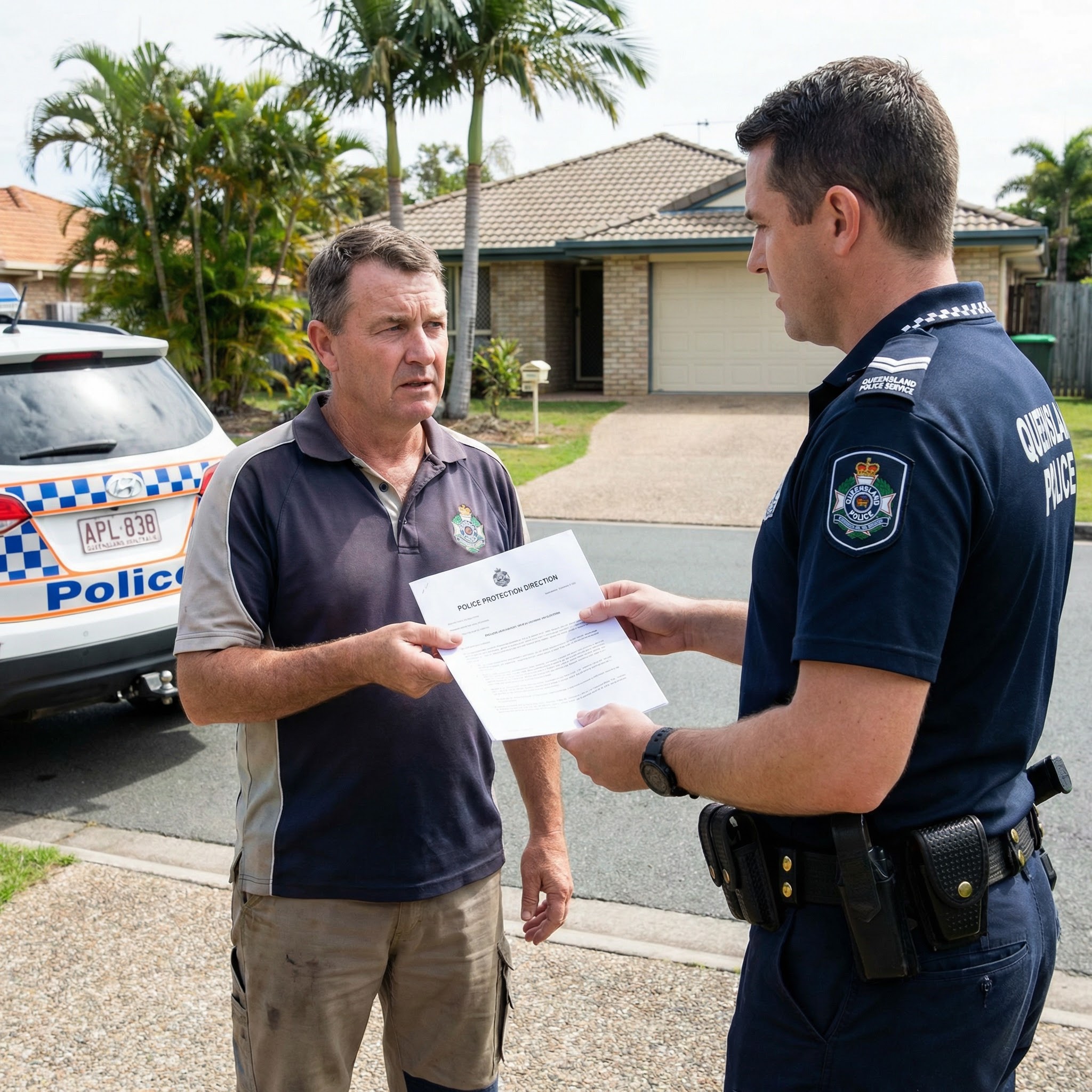
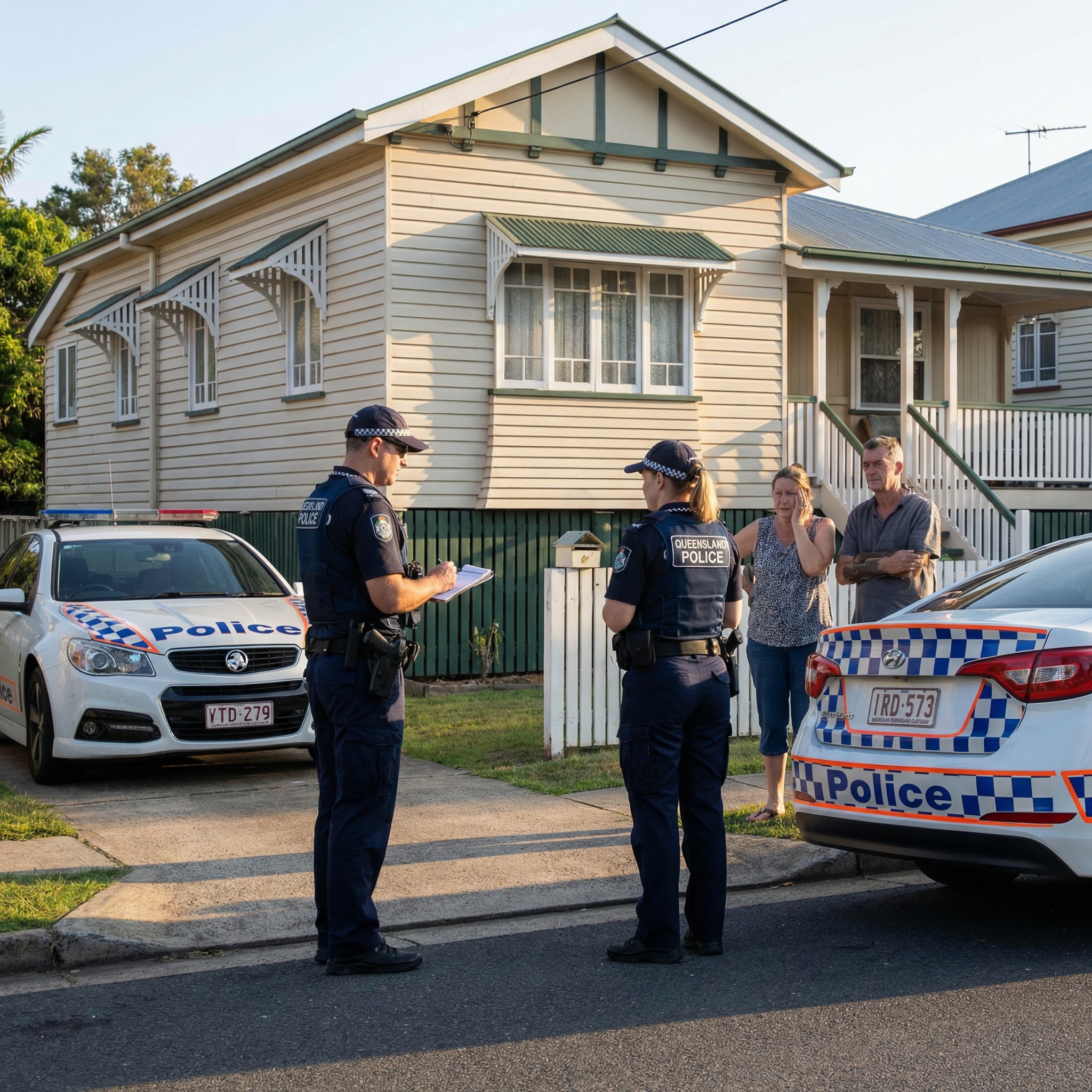
Effective from 1 January 2026, Queensland Police have been granted expanded powers under the Domestic and Family Violence Protection Act 2012.
Police can now issue a Police Protection Direction (PPD), which can have the same practical effect as a court-made Protection Order, without the matter first going before a magistrate.
This is a significant change to how domestic and family violence is responded to in Queensland.
What Is a Police Protection Direction?
A Police Protection Direction is a direction issued by a police officer to a person (the respondent) following an incident of domestic violence.
Once issued, it can impose enforceable conditions similar to those found in a Protection Order.
Duration
A Police Protection Direction can remain in force for up to 12 months.
A breach of the direction is a criminal offence.
When Can Police Issue a Police Protection Direction?
Police may issue a Police Protection Direction only if specific legal requirements are met.
Threshold Requirements
A police officer may issue a direction if they reasonably believe that:
The respondent has committed domestic violence; and
The direction is necessary or desirable to protect the aggrieved from further domestic violence; and
It would not be more appropriate to instead apply for a court-issued Protection Order.
Matters Police Must Consider
Before issuing a direction, police must consider:
The principles of the Act;
The criminal history and domestic violence history of both the respondent and the aggrieved;
Whether there are circumstances suggesting that a court Protection Order would be more appropriate;
Any views or wishes expressed by the aggrieved, including whether they want a Protection Order.
Procedural Fairness
If the respondent is not present, police must:
Make a reasonable attempt to locate and speak with them, including by telephone;
Give the respondent an opportunity to be heard, ensuring natural justice before the direction is issued.
When Can’t Police Issue a Police Protection Direction?
The law places strict limits on when police must not issue a Police Protection Direction.
Who Is Involved
A direction cannot be issued if:
Either party is a child, or
Either party is a police officer.
More Serious Action Is Required
Police must not issue a direction if:
The respondent should instead be arrested or taken into custody for the domestic violence.
Existing or Previous Orders
A direction must not be issued if:
A domestic violence order or recognised interstate order between the parties is currently in force or was previously in force; or
A police protection direction is already in force or has been issued before.
Criminal History or Ongoing Proceedings
A direction must not be issued if the respondent:
Has been convicted of a domestic violence offence in the past two years;
Is currently facing a domestic violence charge; or
Is subject to a pending application for a Protection Order.
Use of Weapons
Police must not issue a direction if the respondent:
Used or threatened to use a weapon or instrument during the domestic violence.
Mutual Risk Situations
A direction must not be issued if:
Both people appear to need protection; and
Police cannot identify who is most in need of protection
Protection of Children
Police must not issue a direction if:
Protecting a child requires conditions that can only be imposed by a court, such as conditions preventing exposure to domestic violence.
What Conditions Can Be Imposed?
A Police Protection Direction may include any or all of the conditions that can be imposed under a police protection notice.
These conditions must be necessary or desirable to:
Protect the aggrieved from domestic violence; or
Protect a named person from associated domestic violence.
Special Rules for Certain Conditions
Ouster Conditions (excluding the respondent from the home)
Before imposing an ouster condition, police must:
Consider the factors set out in section 64 of the Act;
Consider whether a return condition should be imposed;
Obtain approval from a supervising officer of at least senior sergeant rank.
Cool-Down Conditions
Require approval from a supervising officer of at least sergeant rank.
No-Contact Conditions
Require approval from a supervising officer of at least senior sergeant rank.
What Premises Can Be Covered?
A cool-down or ouster condition may apply to:
Premises the respondent has a legal or equitable interest in;
Premises where the parties currently live or previously lived together;
Premises where the aggrieved or a named person lives, works, or regularly attends.
Key Takeaway
Police Protection Directions represent a major shift in domestic and family violence law in Queensland, allowing police to impose long-term, enforceable conditions without immediate court oversight.
While intended to improve victim safety, these powers are tightly regulated and subject to strict legal safeguards.
If you are affected by a Police Protection Direction—whether as an aggrieved or a respondent—obtaining legal advice early is critical.
Contact Munce Legal for a Free 30 Minute Consult below.